Review: Hello Spring Garden Door Hanger SVG for Embroidery
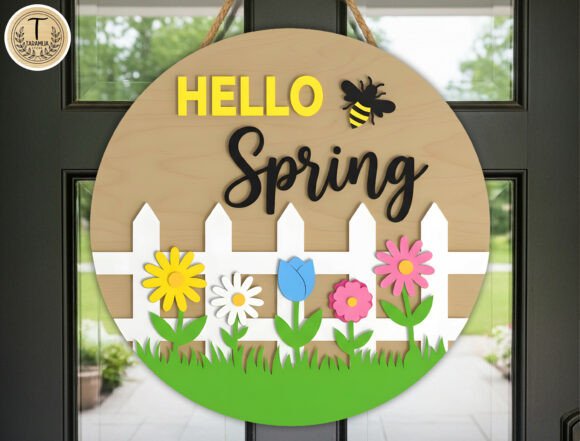
As a designer who spends more time staring at stitch simulations than I do at actual gardens, I am always cautious when a file labeled as an SVG crosses my desk for an embroidery project. Recently, I pulled up the Hello Spring Garden Door Hanger SVG to evaluate its potential for a upcoming boutique order. The product description promises a scenic 3D layered design featuring a classic white picket fence and lush green grass, categorized under Spring Amp and originally intended for Laser Cutting. While the laser cutting community will undoubtedly appreciate the layering for wood or acrylic signs, my job is to translate those vector lines into thread. Does this design hold up when converted from a cut file to a machine embroidery design? Let's dig into the practical realities of using this asset for real-world stitching.
First Impressions and Visual Personality
The moment I opened the file, the mood was unmistakable. This isn't just a generic floral clip; it has a structured, architectural charm thanks to the picket fence element. The layout suggests a whimsical yet orderly garden scene, which creates a fantastic visual personality for spring-themed merchandise. The "3D layered" aspect mentioned in the description is crucial for us embroiderers. In a laser context, this means physical depth; in embroidery, it translates to distinct color blocks that require careful planning of thread colors and stitch types to avoid a flat, muddy look.
The inclusion of the phrase "Hello Spring" adds a typographic element that immediately tells me this is meant for greeting-style decor or welcoming apparel. However, the complexity of the grass and fence details raises immediate questions about stitch density. A design that looks crisp on a screen can easily become a bird's nest of thread if the running stitches are too long or the fill areas are too dense for standard cotton twill.
Real-World Application: The Boutique Tote Scenario
To truly test the viability of the Hello Spring Garden Door Hanger SVG, I imagined a specific client request: a limited run of canvas tote bags for a local farmer's market vendor. She needed something that screamed "fresh produce" and "spring renewal." This design felt like a natural fit. The white picket fence offers a high-contrast background that would pop beautifully against a natural beige or sage green canvas.
If I were digitizing this or adjusting an existing embroidery file for this project, I would lean heavily into applique design techniques. Instead of trying to fill-stitch the entire fence and grass area, which could make the tote bag stiff and unwieldy, I would use the SVG layers as cut guides for fabric appliqué. A white linen scrap for the fence and varied greens for the grass would give that promised 3D effect without the bulk of thousands of stitches. This approach transforms the item from a simple printed bag into a textured handmade product that justifies a higher price point.
For custom apparel, such as a light denim jacket or a heavy cotton sweatshirt, the design works well as a chest patch or a large back piece. The "Hello Spring" text is large enough to be legible, but I would be wary of placing it on a curved surface like a cap unless the text was significantly simplified. The intricate grass blades might get lost or distort on the tight curve of a baseball hat front panel.
Navigating Technical Challenges
While the aesthetic is charming, there are technical hurdles to consider before committing this design to a production run. Because this file originates from a Laser Cutting category, the paths are likely optimized for a beam, not a needle. This means you must verify the hoop size compatibility. If the design is wide to accommodate the fence line, it might not fit in a standard 4x4 hoop, requiring a 5x7 or larger frame. Always check the dimensions before purchasing or downloading.
Another critical factor is fabric texture. On plush towels or thick fleece, the fine details of the picket fence slats could sink into the pile, making the design look undefined. For these materials, I recommend using a heavier cut-away stabilizer and perhaps increasing the satin stitch width on the fence posts to ensure they stand out. Conversely, on thin, stretchy fabrics like jersey knits for baby clothes, the density of the grass and fence could cause puckering. In those cases, reducing the overall stitch count or switching to a lighter running stitch outline is essential to maintain the integrity of the finished product.
Dark fabrics present another challenge. The description highlights a "classic white picket fence." If you stitch white thread on a navy blue hoodie, it will look great. But if the design relies on the background fabric to show through gaps (which laser files often do), you need to ensure your digitized version includes a solid underlay or background fill so the design doesn't look transparent and messy on dark garments.
Commercial Value and Brand Consistency
For Etsy sellers and small shop owners, the visual appeal of this design is a strong selling point. It taps directly into the seasonal demand for home decor and spring fashion. A well-executed version of this design on a pillow cover or kitchen towel feels like a premium personalized gift. It conveys a sense of warmth and hospitality that resonates with buyers looking for unique home accents.
However, professionalism is key. If the tiny lettering in "Hello Spring" becomes illegible due to poor digitizing or low-quality thread, it undermines customer trust. Buyers associate clean, crisp stitching with brand reliability. Therefore, testing the design on scrap fabric identical to your final material is non-negotiable. Check the thread color contrast specifically; sometimes a slight shift from bright lime to a muted olive green can make the grass look more sophisticated and less cartoonish, elevating the perceived value of the item.
Final Verdict and Designer Notes
The Hello Spring Garden Door Hanger SVG is a versatile asset, but it requires a thoughtful approach to transition successfully from a laser-cut concept to an embroidered reality. It shines brightest when used on stable, medium-weight fabrics where its layered components can be highlighted through smart stitch choices or appliqué methods.
Before you start stitching, keep these practical notes in mind:
- Test First: Always stitch out a sample on scrap fabric to check for puckering or thread breaks.
- Check Licensing: Confirm whether the license allows for commercial use if you plan to sell finished items or digital adaptations.
- Review Details: Inspect small corners and tight turns in the fence design; these are common failure points for needles.
- Mockup Variety: Create black and white mockups to ensure the design holds its shape without relying solely on color.
- Stabilizer Choice: Match your stabilizer to the fabric weight; don't guess, or you risk ruining the garment.
In conclusion, while this file is categorized for laser cutting, its charming composition makes it a contender for spring embroidery collections. With the right adjustments to stitch density and material selection, it can become a standout piece in your craft business inventory, perfect for everything from holiday embroidery gifts to everyday boutique merchandise. Just remember, the difference between a good design and a great embroidery project often lies in the preparation and the respect for the limitations of the thread.