Review: Reading Relaxation Coloring Book for Embroidery
As a designer who spends more time staring at stitch previews than actual books, I am always on the lookout for graphics that translate well from screen to fabric. Recently, I took a close look at the Reading Relaxation Coloring Book collection from Coloring Pages Amp. While these are technically listed as graphics and coloring pages, my mind immediately went to how these illustrations could function as a machine embroidery design source or a template for custom appliqué work. For any Etsy seller or craft business owner looking to tap into the "cozy reader" aesthetic, understanding the practical application of these visuals is crucial before committing thread and fabric.
The Vibe: Calm, Cozy, and Commercially Viable
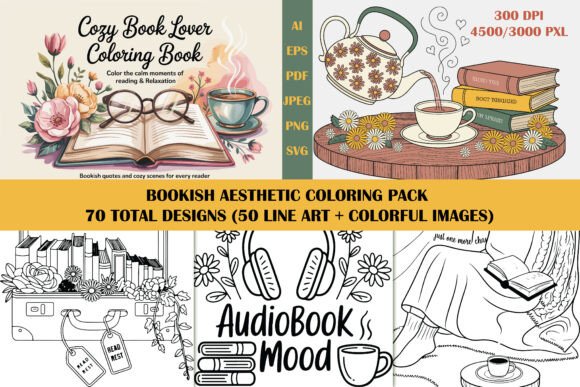
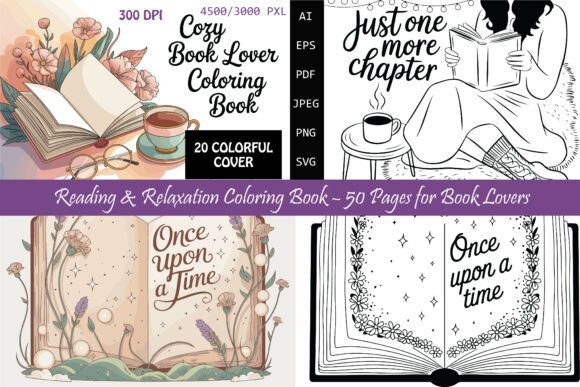
The first thing that strikes you about the Reading Relaxation Coloring Book is the mood. It isn't loud or chaotic; it exudes a sense of quiet comfort. The illustrations feature open books, steaming mugs, and warm atmospheres that resonate deeply with a specific demographic: book lovers. In the world of custom apparel and handmade products, selling a feeling is often just as important as selling an item. These graphics capture the essence of a rainy Sunday with tea, a sentiment that sells exceptionally well on tote bag designs and sweatshirt embroidery.
Visually, the lines are clean, which is a promising sign for digitizers. If you are planning to convert these graphics into an embroidery file, the clarity of the original art suggests that the transition to satin stitch outlines or fill stitch areas could be smooth. However, because these originate as coloring pages, they rely heavily on line work. This means if you are using them as a direct trace for embroidery, you need to be mindful of stitch density. Too many running stitches in a small area can lead to bird nesting, so a thoughtful digitizing approach is required to maintain that delicate, hand-drawn feel without compromising durability.
Real-World Application: The Library Tote Project
To test the viability of this collection, I imagined a real-life scenario: creating a limited run of canvas tote bags for a local independent bookstore's holiday gift shop. The goal was a small shop product that felt boutique and personal. The Reading Relaxation Coloring Book imagery fits this perfectly. Picture a natural cotton canvas bag with an embroidered stack of books and a cozy mug.
In this context, the design works beautifully as an applique design. You could use the graphic as a cutting template, layering different colored fabrics to represent the book spines and the steam rising from the cup. This adds texture and elevates the perceived value of the finished product. For a personalized gift, you could even leave space to monogram the customer's initials near the book stack. The aesthetic is versatile enough for baby embroidery on a nursery blanket or sophisticated enough for an adult's apron. It bridges the gap between whimsical and elegant, making it a strong candidate for diverse embroidery projects.
Navigating Fabric and Hoop Challenges
While the artistic merit is high, practical execution requires caution. If you are adapting these graphics for commercial embroidery, you must consider the substrate. The intricate details found in some of the book-themed illustrations might struggle on textured fabrics like heavy wool sweaters or looped towels. On stretchy fabric like jersey knits for t-shirts, a dense fill could cause puckering. In these cases, simplifying the design to a bold outline using a running stitch or opting for a larger hoop size to spread out the elements is wise.
Furthermore, curved surfaces present a challenge. If a client wants this design on a cap or a structured hat, the flat nature of the book illustrations might distort over the crown's curve. Small text, if included in any variation of the design, needs careful scrutiny. Tiny lettering often becomes illegible once stitched, especially after a few washes. Always test your digitized version on scrap fabric that matches your final material. Check the contrast of your thread colors against dark fabrics; a light gray thread on a navy sweatshirt might vanish, ruining the cozy effect.
Building Brand Trust and Visual Appeal
For creative entrepreneurs, consistency is key. Using a cohesive set of images like those in the Reading Relaxation Coloring Book helps build brand recognition. If your shop specializes in literary-themed goods, these assets provide a unified visual language. Customers trust shops that look professional and intentional. A well-executed embroidered patch featuring one of these designs can become a signature item, encouraging repeat buyers.
The "giftability" factor is also significant. People love giving gifts that reflect the recipient's hobbies. A pillow cover with a subtle, embroidered book motif feels thoughtful and curated. When you present a printable mockup to a client showing how these graphics translate into stitched goods, the clear, inviting nature of the art helps close the sale. It allows the customer to visualize the warmth of the final item immediately.
Essential Designer Notes for Success
Before you launch your next collection based on these graphics, keep these practical steps in mind:
- Digitize with Intent: Do not assume auto-digitizing will work. Manually adjust stitch angles to follow the flow of the book pages and steam.
- Stabilizer Matters: For detailed line work, use a cut-away stabilizer on knits to prevent distortion over time.
- Check Licensing: Since these are sold as graphics by Coloring Pages Amp, verify the license terms regarding commercial use. Ensure you are allowed to sell physical items made from these designs.
- Test Washability: Run your sample through a wash cycle. Detailed coloring book styles can sometimes have thin lines that break under agitation.
- Contrast Check: View your design in black and white to ensure the shapes hold up without relying solely on color differentiation.
The Reading Relaxation Coloring Book offers a charming foundation for numerous design assets. Whether you are a hobbyist making a holiday embroidery gift for a friend or an apparel decorator producing stock for a boutique, the potential here is solid. The key lies in respecting the limitations of the medium while leveraging the strong emotional connection the imagery creates. With the right technical approach, these cozy illustrations can transform simple fabric into cherished, story-filled keepsakes.